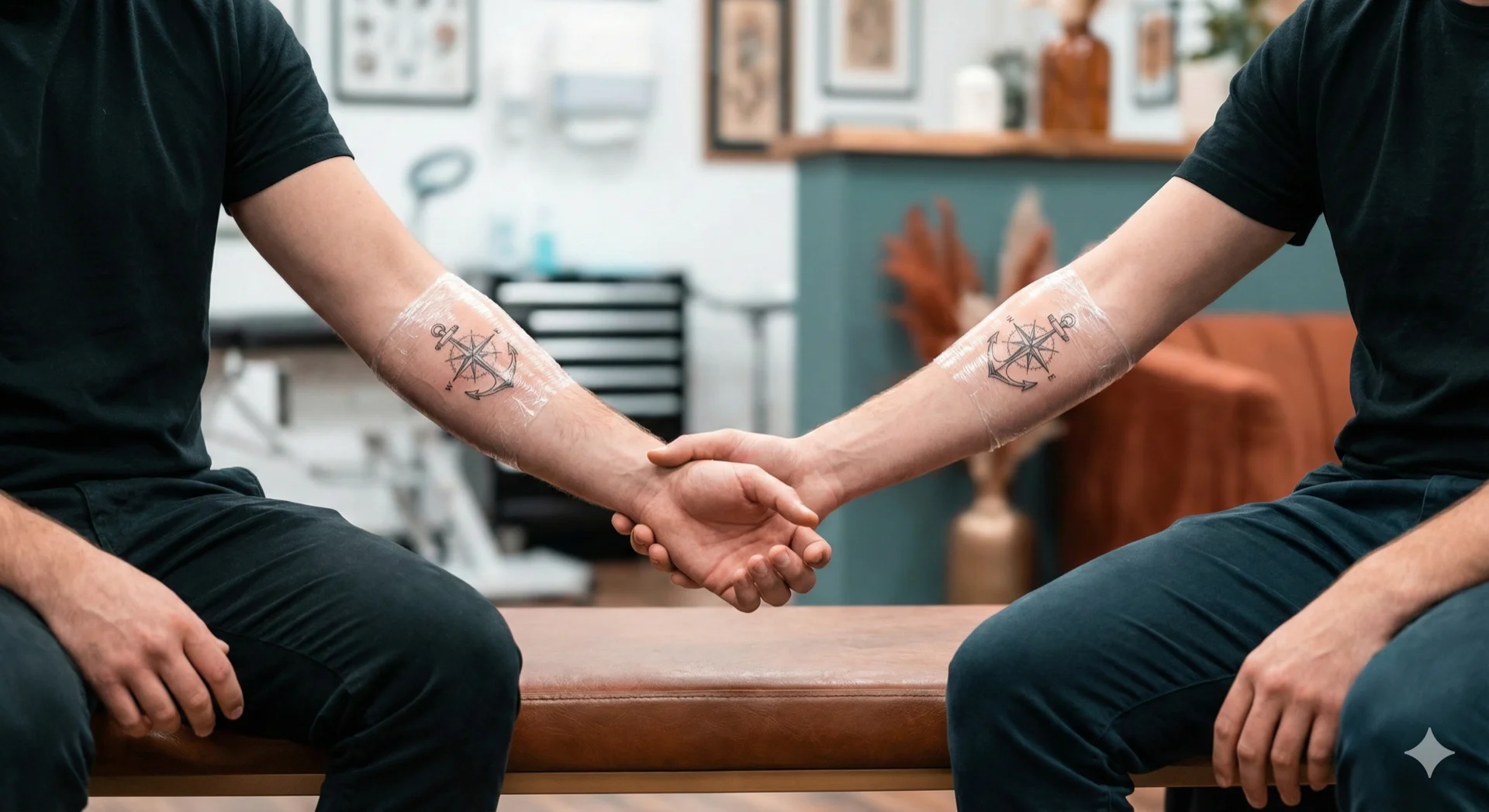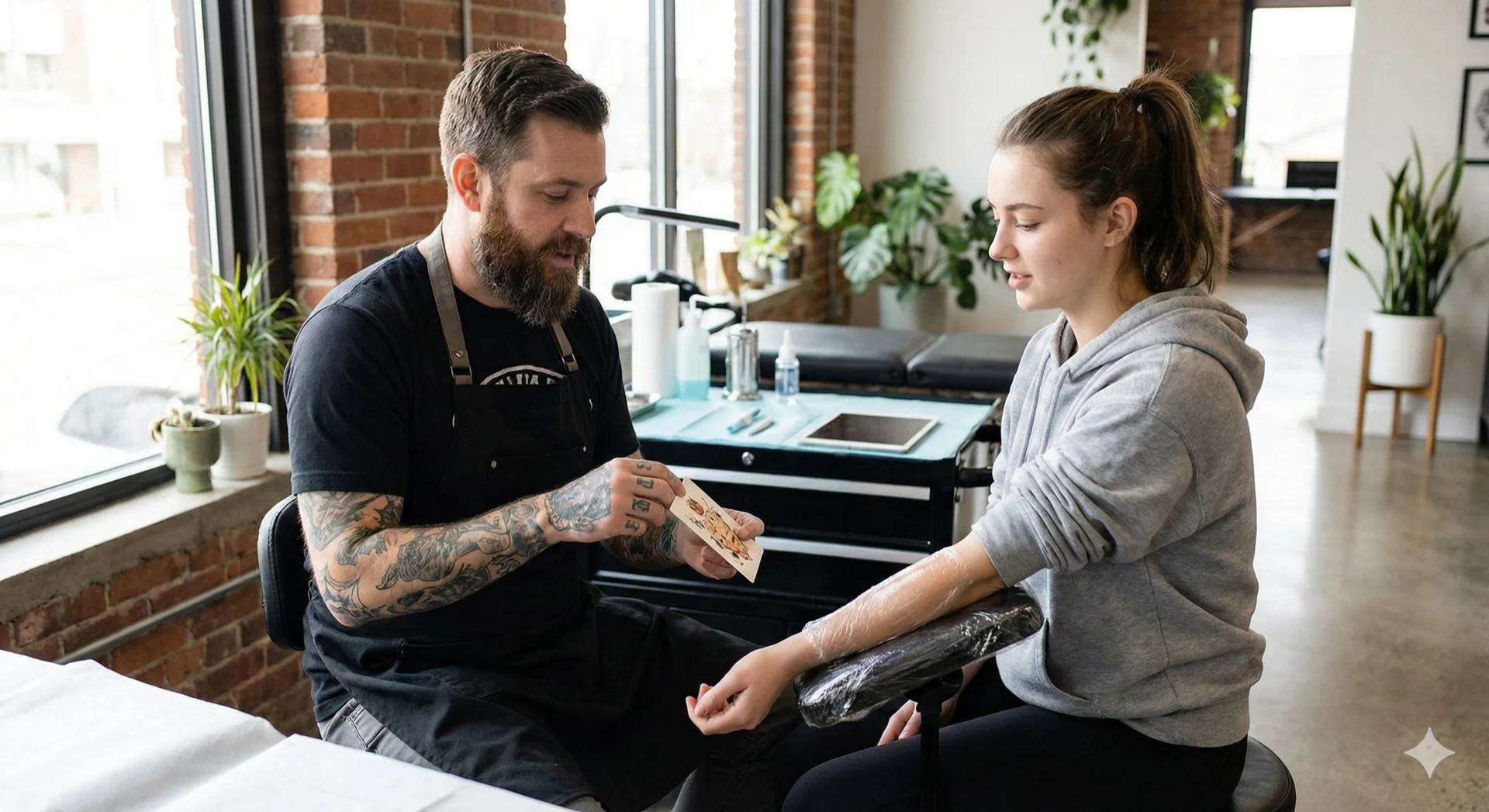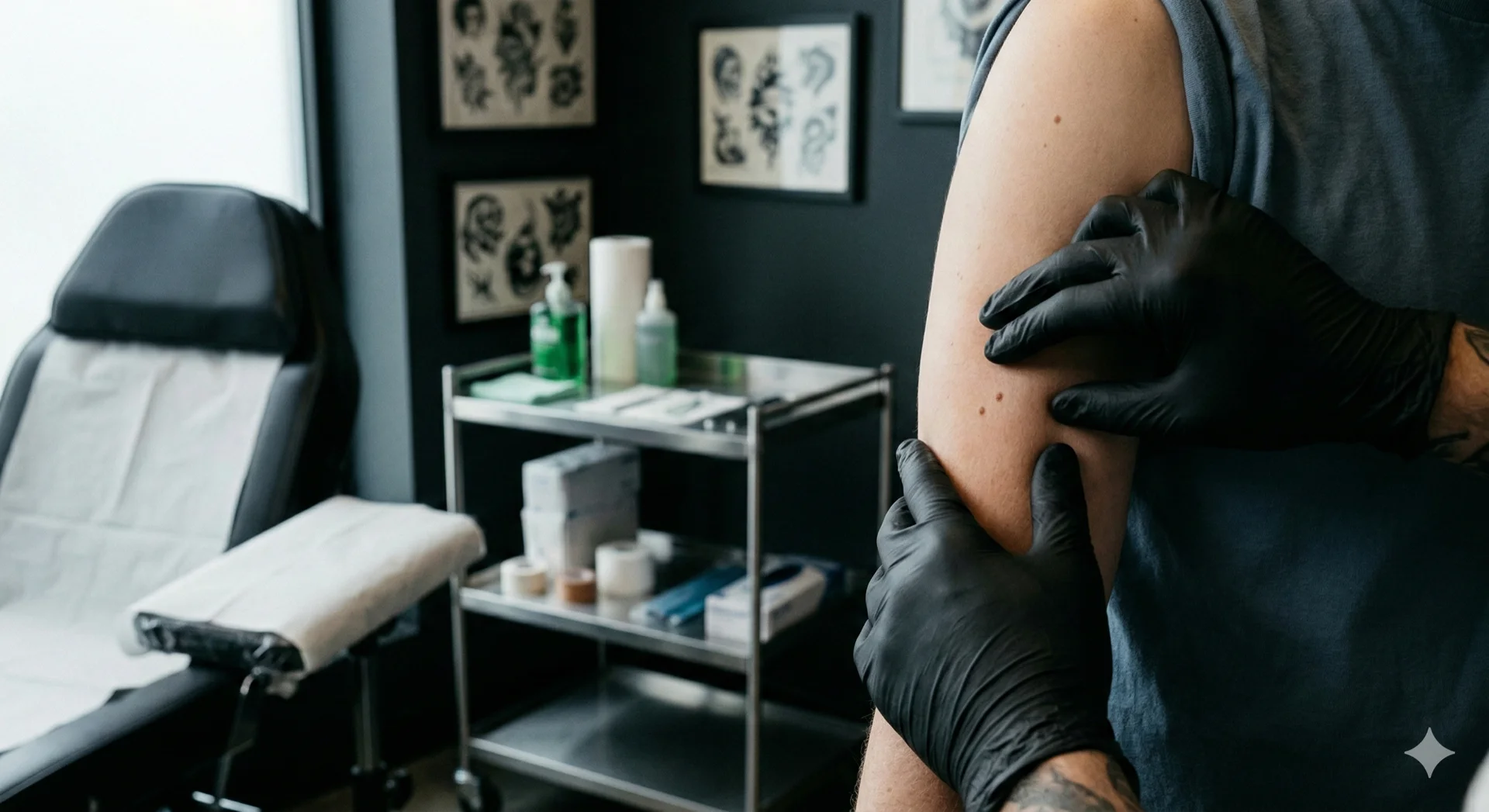
Tattoo artist station with professional tools in soft late-winter light

Client Skin After Winter: What Every Artist Needs to Know

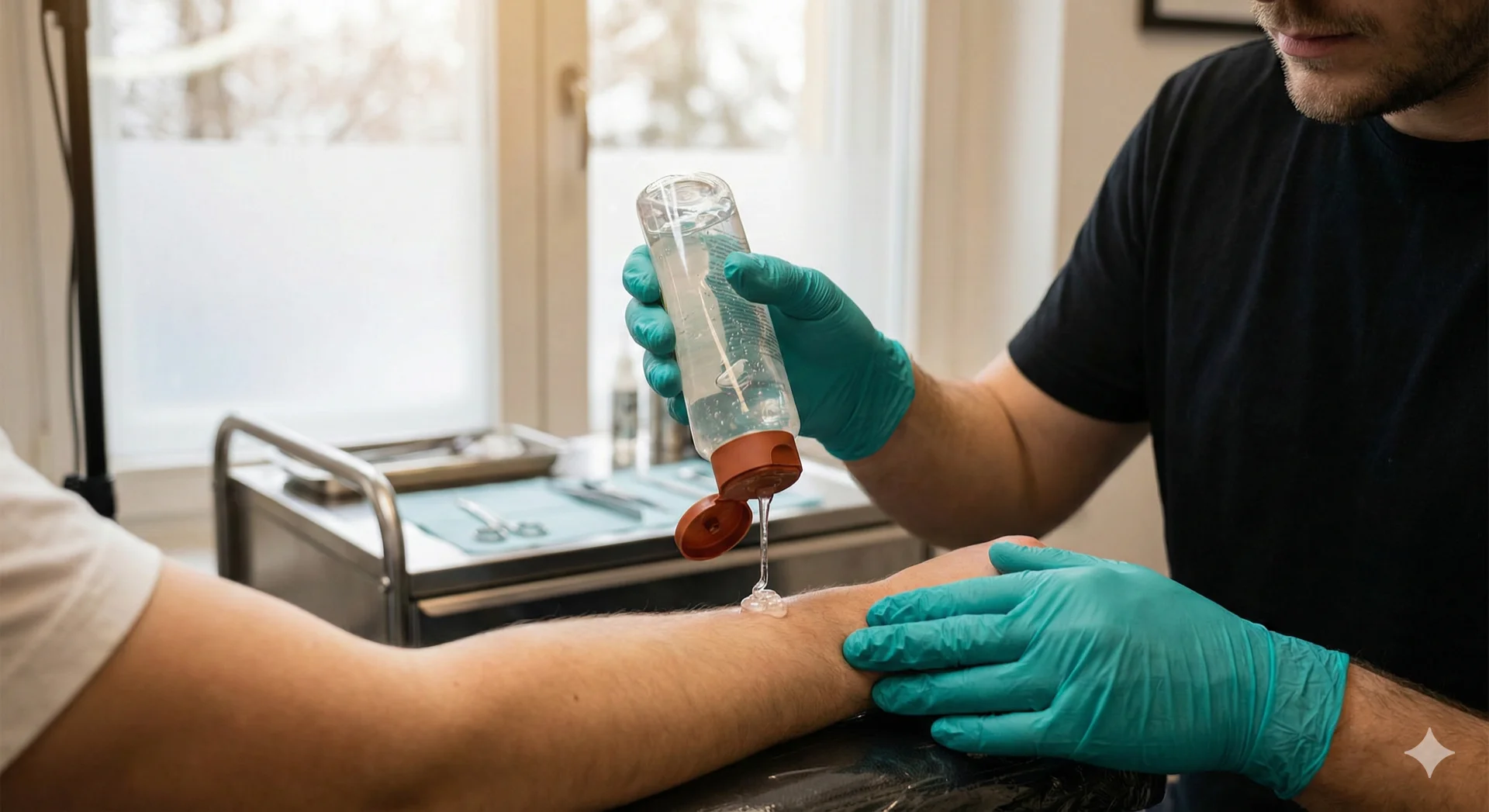
Key Takeaways Late-winter skin is different from summer skin. Months of dry heat and cold air leave the barrier compromised, surface texture rough, and moisture depleted. It doesn’t reverse the day spring arrives. Read the skin before you commit. Visual assessment at the start of the appointment is worth two minutes. It can save you hours of difficult session work. Know when to reschedule. Severely compromised skin is a legitimate reason to push back an appointment. It’s not about being difficult — it’s about getting results. Technique adjustments matter. Dry, barrier-compromised skin responds differently under the needle. Glide behavior changes, saturation takes more attention, pacing may need to slow. Send pre-appointment instructions at booking. Most clients need to be told explicitly. Two weeks of daily moisturizing changes what you’re working with. Aftercare coaching is more important in spring. Skin that starts dry needs consistent, diligent moisture during the aftercare period — more than a summer client would. Natural glide products perform better on dry skin. Petroleum-based alternatives struggle on compromised skin. Natural formulations work with the skin instead of just sitting on top. Can You Tattoo on Dry Winter Skin? (What Artists Need to Know) Yes, you can tattoo on dry winter skin, but it requires specific technical adjustments. Winter-damaged skin has a compromised lipid barrier, leading to faster glide absorption, poor stencil adhesion, and difficult saturation. To get professional results, artists should assess elasticity first, use natural-ingredient glides to nourish the barrier, and consider rescheduling if the skin is actively cracking or flaking. ...
March 24, 2026 · 11 min · Tattoo Luv
Professional tattoo studio workspace with warm spring light coming through the window

Spring Studio Prep: Getting Your Setup Ready for Tattoo Season

Key Takeaways Spring skin is transitional: Post-winter dryness fades unevenly — many artists find the canvas varies significantly from person to person and area to area through March and April. Stencil behavior shifts: Returning humidity and warming skin temperature change how transfer gel behaves. What worked in January may need recalibrating. Glide performs differently on hydrated skin: Warmer, better-moisturized skin absorbs product less aggressively than winter skin. You may notice you’re reapplying less. Client prep simplifies: Spring skin doesn’t need the intensive pre-session moisture push winter demanded, but sun exposure becomes relevant again. Studio environment shifts: Temperature management replaces humidity management as the main variable to track. Stock before volume picks up: Spring brings a seasonal surge in bookings — order before you need to, not after. Every spring we hear from artists about the same thing: winter protocols stop working and they’re not sure why. Glide application feels different. Stencils behave differently. Clients who prepped the same way they always do show up with skin that reads differently under the machine. ...

March 10, 2026 · 8 min · Tattoo Luv
Tattoo artist preparing client skin for winter session

Winter Studio Tips: Keeping Client Skin Hydrated During Sessions

Key Takeaways Winter skin is different: Cold air, indoor heating, and hot showers all compromise the skin’s protective barrier. Pre-session prep matters more: Have clients moisturize daily for 3 days before their appointment. Stencil adjustments: Warm the skin slightly, use thin layers of transfer gel, and allow extra dry time. Reapply glide more often: Dry skin absorbs product faster than summer skin. Studio environment: Consider a humidifier and minimize direct airflow on the work area. Know when to reschedule: Severely compromised skin won’t give good results. February. Your studio is warm. Outside is brutal. And every client walking through your door has the driest skin they’ve had all year. ...

February 21, 2026 · 7 min · Tattoo Luv
Couple showing off matching tattoos

Valentine's Ink: Tattoo Care Tips for Couples Getting Matching Pieces

Key Takeaways Pre-booking conversation matters: Ask about timing, design preferences, and experience level before scheduling. Scheduling options: Back-to-back, simultaneous (two artists), or split days each have pros and cons. Complementary > identical: Designs that work independently often age better than exact matches. Double the aftercare: Two fresh tattoos means two supplies and separate instructions for each partner. Know when to redirect: Hesitant partners, recent relationships, or pressure situations are red flags. Valentine’s season brings a predictable wave: couples wanting matching tattoos. Hearts, coordinates, initials, puzzle pieces, you name it. Some have been planning for months. Some booked yesterday after a romantic dinner and too much wine. ...

February 7, 2026 · 6 min · Tattoo Luv
Tattoo artist discussing aftercare instructions with client

Client Aftercare Questions Every Artist Gets (And How to Answer Them)

Key Takeaways Same questions, every time: Clients forget aftercare instructions the moment they leave. Written instructions get followed. Confidence matters: When you recommend products and give clear instructions with certainty, clients trust you and follow through. Normal aftercare signs: Itching, peeling, light scabbing are all part of the process. Give clients clear guidance on what’s normal vs. when to see a doctor. Downloadable template: Use our aftercare card template to save yourself from midnight text messages. You’ve done beautiful work. The client is thrilled. They’re admiring their fresh ink in the mirror. And then: ...

January 24, 2026 · 7 min · Tattoo Luv

New Year, New Ink: What Artists Should Know About the January Rush

If you’ve been in the industry for any length of time, you know: January is busy. New year, new me. Fresh starts. That tattoo they’ve been thinking about all year finally feels like it’s time. Your booking calendar is probably already filling up. Here’s how to make the most of the January rush while setting your clients up for success. Why January Brings New Ink The psychology is simple. People use the new year as a mental reset point. That sleeve they’ve been planning? This is the year. The memorial piece they’ve been putting off? Time to honor that commitment. ...

January 10, 2026 · 5 min · Tattoo Luv

The Hidden Costs of Using Petroleum-Based Tattoo Glide

You know what happens when a tube starts acting up mid-session. The client’s sitting there, you’re halfway through a piece, and suddenly you’re dealing with inconsistent flow or residue buildup. It’s not always the tube. Sometimes it’s the glide. Petroleum-based products have dominated the professional tattoo supply market for years. They’re cheap, readily available, and “everybody uses them.” But working artists are starting to ask: what’s the real cost? Let’s talk about the hidden costs petroleum-based glides carry—and why more Central PA artists are making the switch to natural alternatives. ...

November 9, 2025 · 7 min · Tattoo Luv

Why Natural Tattoo Aftercare Matters (And What to Avoid)

Your new tattoo is an investment—in art, in money, and in the aftercare journey ahead. The products you choose for aftercare can make the difference between a comfortable aftercare experience and one with excessive dryness, irritation, or discomfort. Let’s talk about why natural matters. The Problem with Petroleum Walk into most tattoo shops, and you’ll hear recommendations for Aquaphor, A&D ointment, or Vaseline. These petroleum-based products have been aftercare standards for years. ...

October 18, 2025 · 4 min · Tattoo Luv

What to Expect During Tattoo Aftercare: What's Normal (And What's Not)

You just got a beautiful new tattoo. You followed your artist’s instructions, you’re using quality aftercare, but now you’re looking at your healing tattoo and wondering: Is this normal? Let’s walk through what normal healing looks like—and when you should be concerned. Days 1-3: The Immediate Aftermath What’s Normal: Redness and Swelling Your tattoo area will be red and may be slightly swollen. This is inflammation—your body’s natural response to the controlled trauma of tattooing. Think of it like a skinned knee or a minor burn. ...

October 17, 2025 · 6 min · Tattoo Luv

What Makes Tattoo Glide 'Stencil-Safe'? (And Why It Matters)

You’ve probably seen the term “stencil-safe” on tattoo products. Maybe you’ve experienced the frustration of applying glide and watching your carefully placed stencil smear or disappear. Let’s talk about what stencil-safe actually means—and why it’s not just marketing fluff. The Stencil Problem Here’s the scenario every artist knows: You prep the skin. Apply your stencil with whatever method you prefer (spray, stick, etc.). Get the placement perfect. Client approves. Then you apply your glide to begin work. ...

October 16, 2025 · 5 min · Tattoo Luv